Fusion-energy reviews spanning January 2025 to August 2026, alongside semiconductor and computing perspectives. Published 11 October 2026, with current developments distinguished from each review period.
The June 2026 DOE roadmap makes the engineering agenda more explicit. A credible plant case must connect plasma, materials, fuel, maintenance and net output in one operating model.
Machine learning can improve diagnostics and accelerate decisions. The engineering case depends on uncertainty, timing, independent protection and validation outside the training envelope.
Changes to the ITER research plan illustrate why science objectives, machine readiness and commercial delivery should be tracked as different milestones.
High-temperature superconductors change the design space for magnetic confinement. Qualification must still connect field, structural loading, protection and irradiation effects.
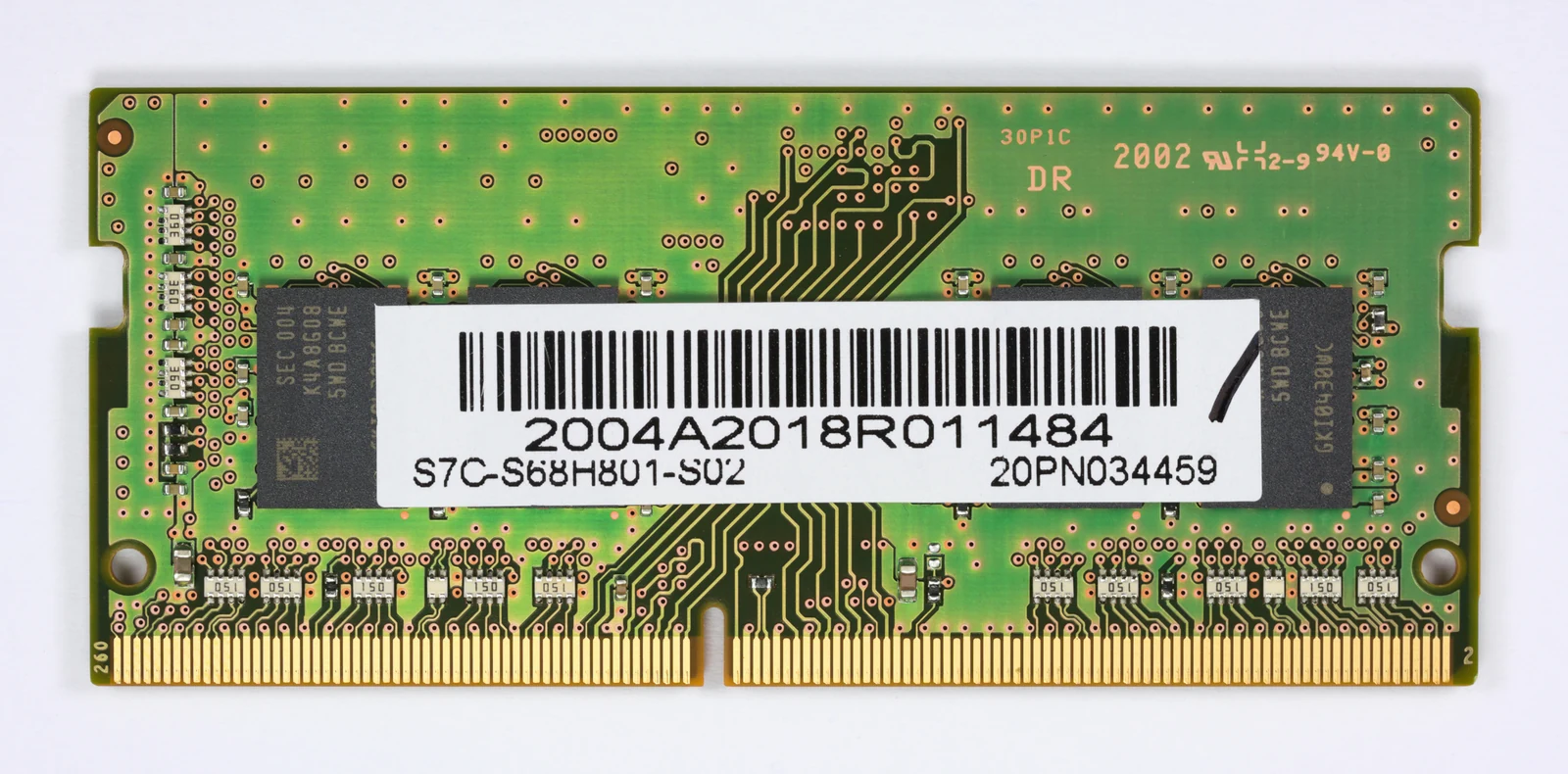
A wider memory interface changes the performance ceiling, but locality, arithmetic intensity, capacity and thermal limits determine what an application actually gains.
Fuel breeding, recovery, retention and operating inventory are coupled design variables. A positive breeding ratio alone does not describe a self-sufficient operating system.
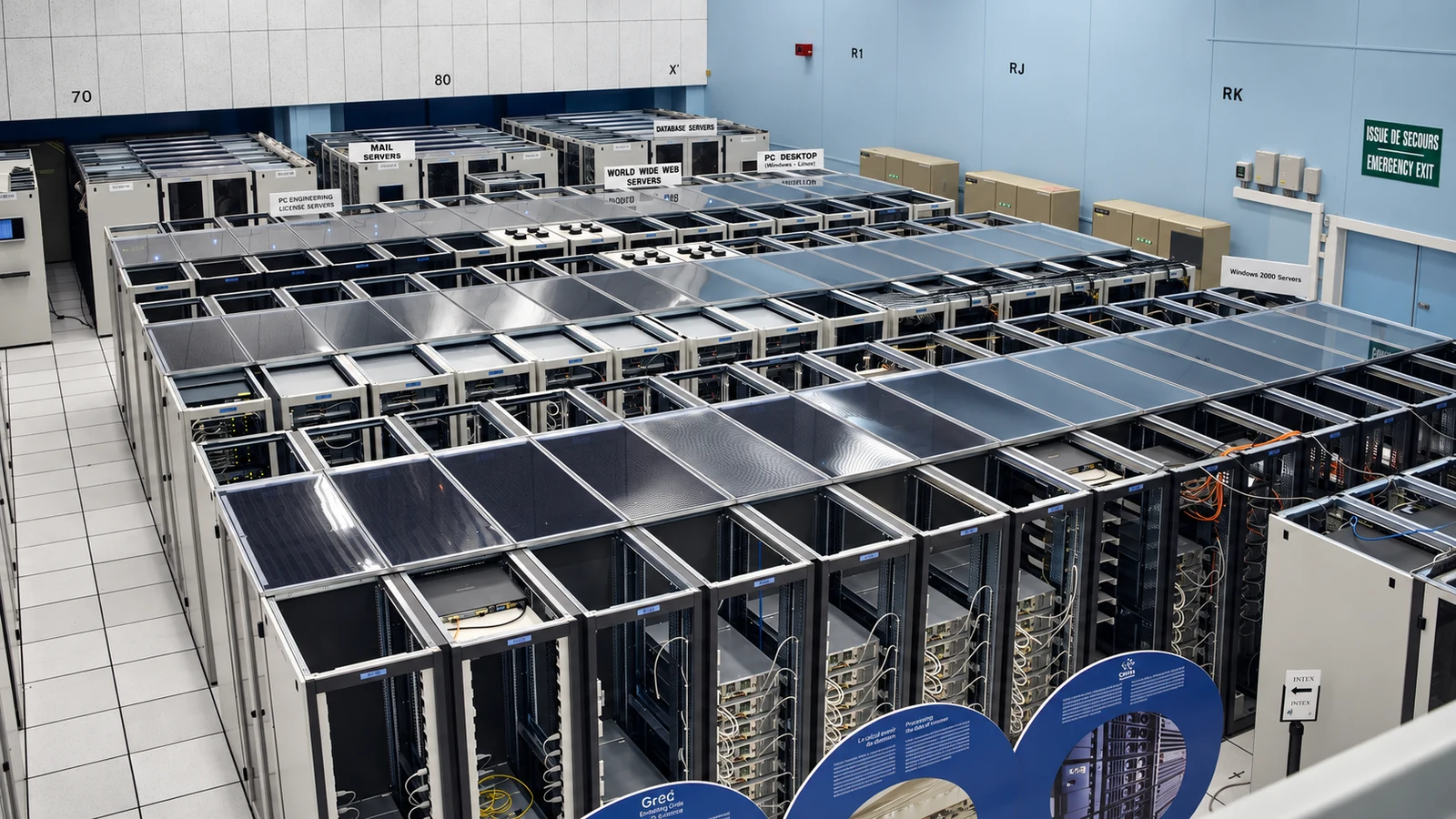
CXL extends the memory-system design space. Link speed, topology, locality and tail latency must be considered together before treating expanded memory as a substitute for local DRAM.
Thermal performance, irradiation damage and chemical compatibility must become a joined qualification case. A materials ranking based on one property is not enough.
As more functions move into a package, material interfaces and measurement access become system-level decisions. Reliability must be designed in rather than inferred from a working demonstration.
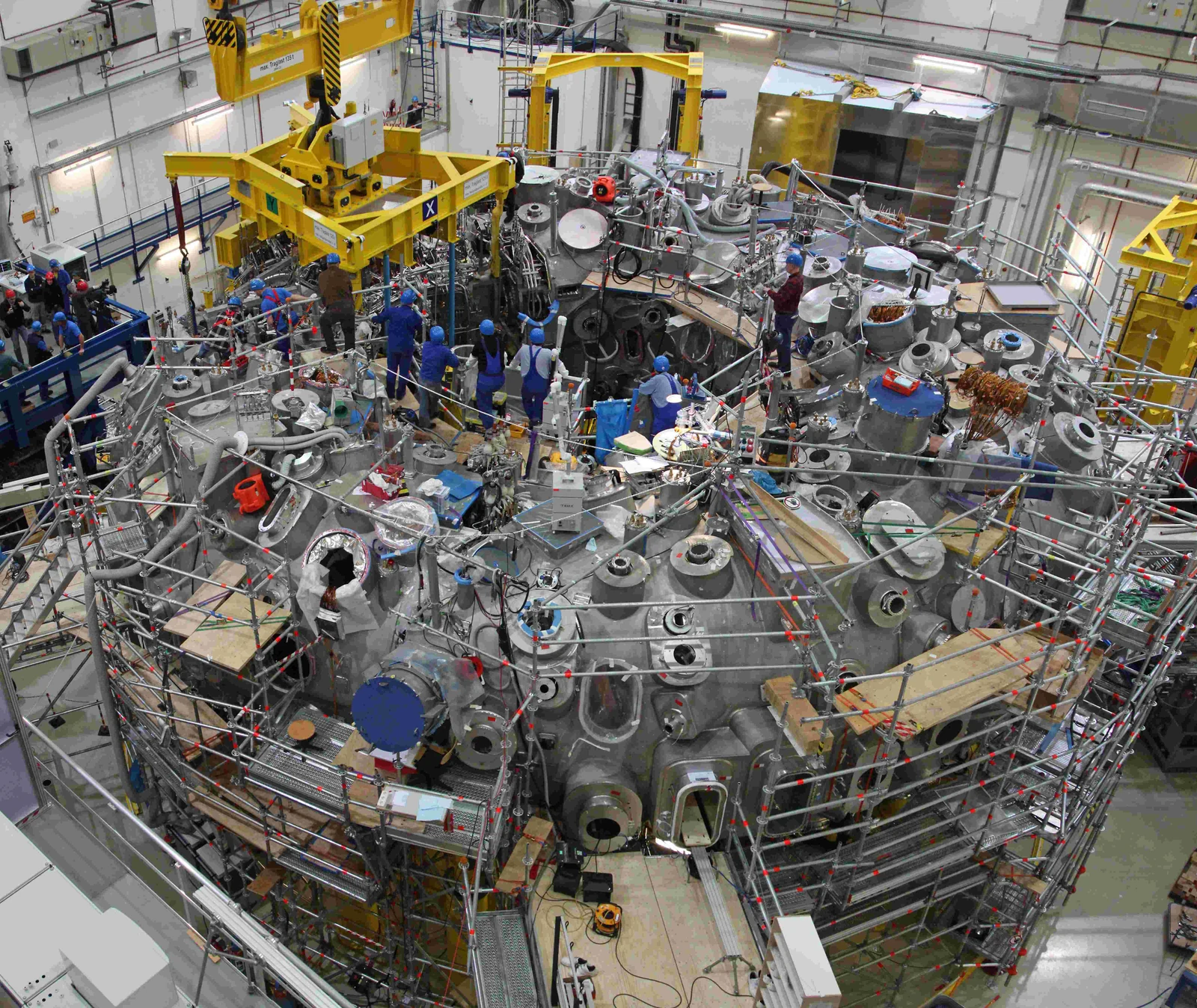
The stellarator result shifts attention from peak parameters to sustained, jointly measured plasma performance. That is a more demanding and more informative comparison.
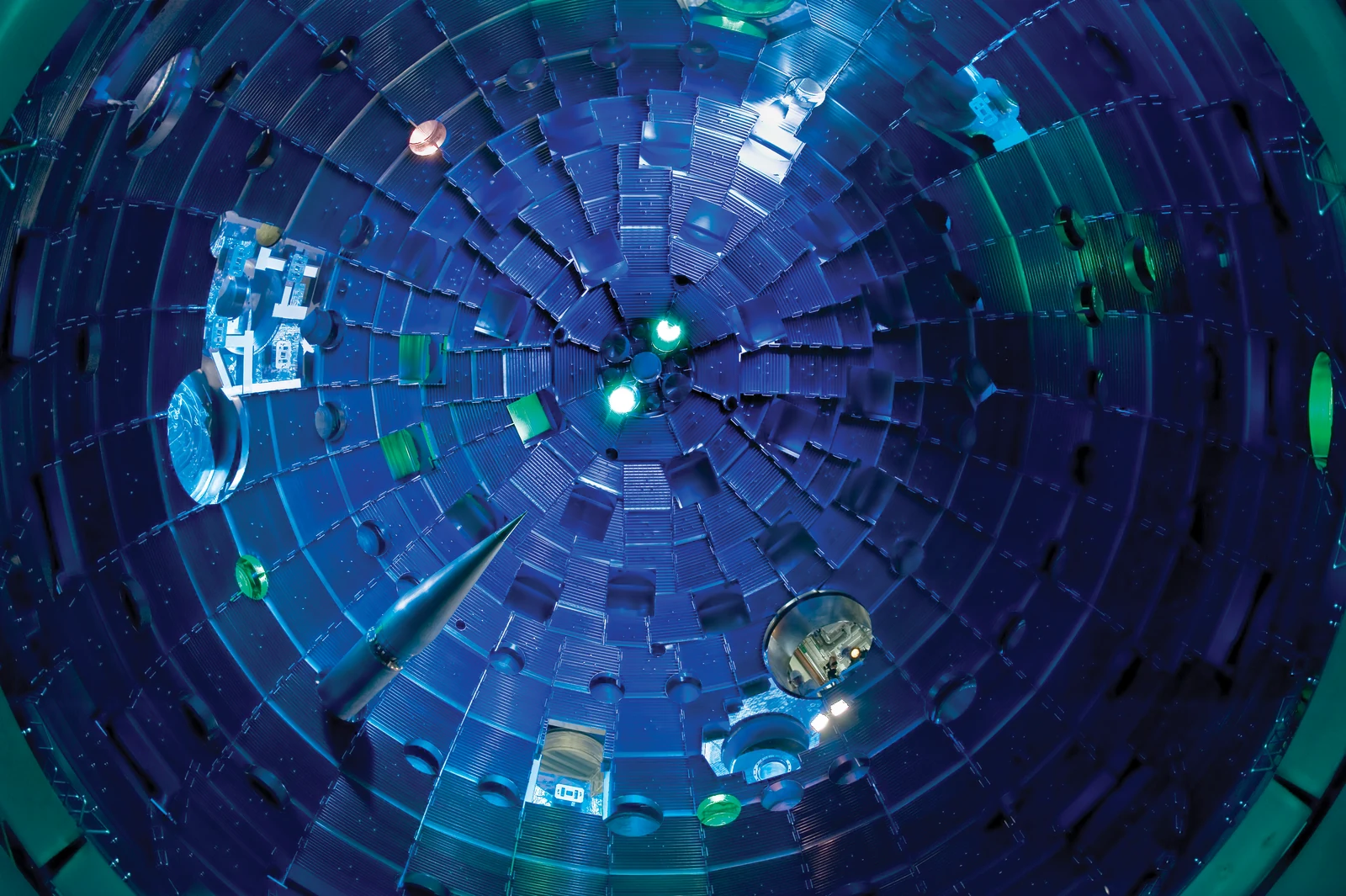
The 8.6 MJ experiment is a major target-physics result. Converting that result into an electricity proposition requires laser efficiency, repetition rate and plant loads to enter the same calculation.
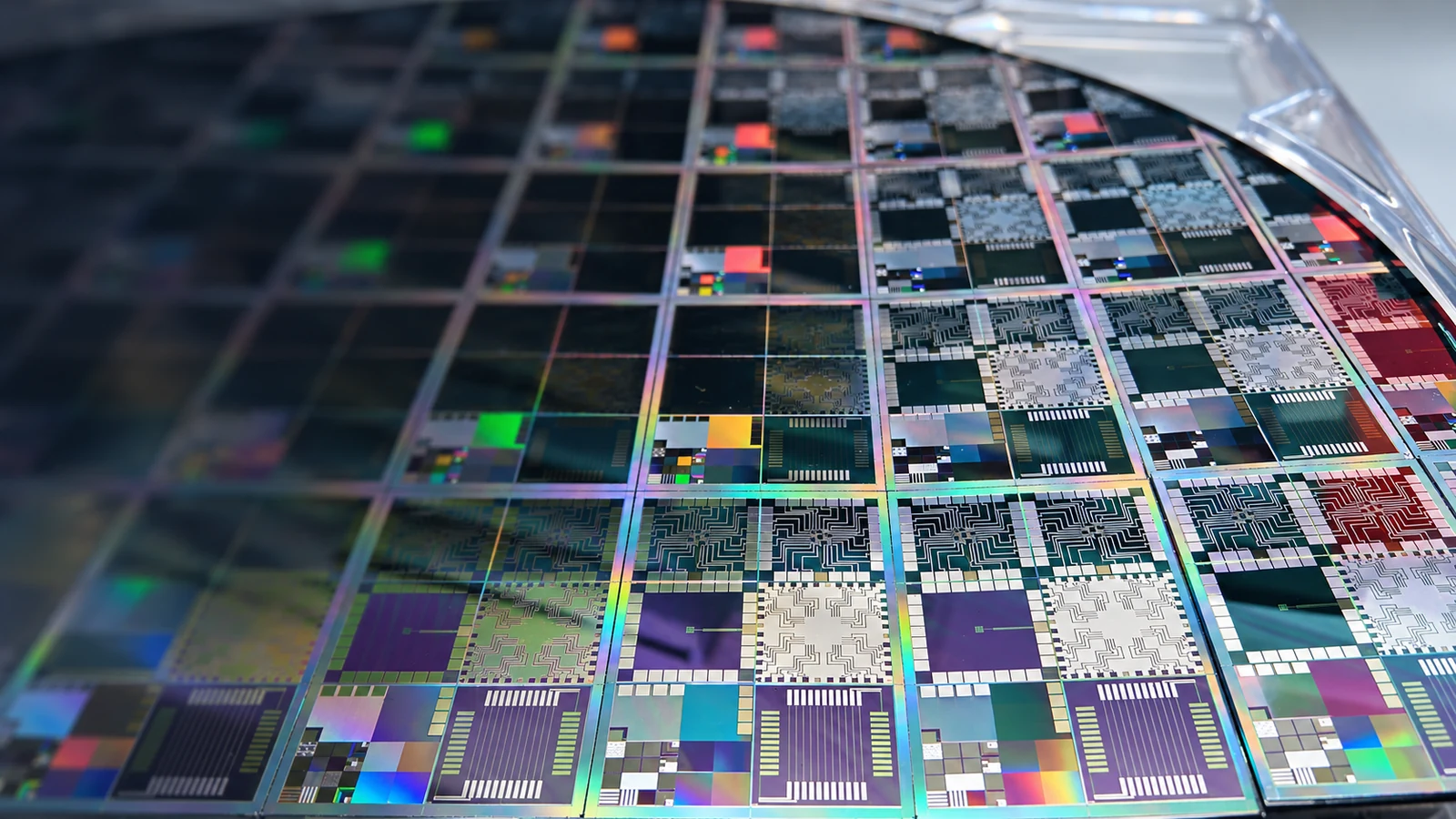
Partitioning a chip changes yield, testability and thermal behaviour. Fine-pitch integration creates opportunities, but the assembled system still needs a complete qualification plan.
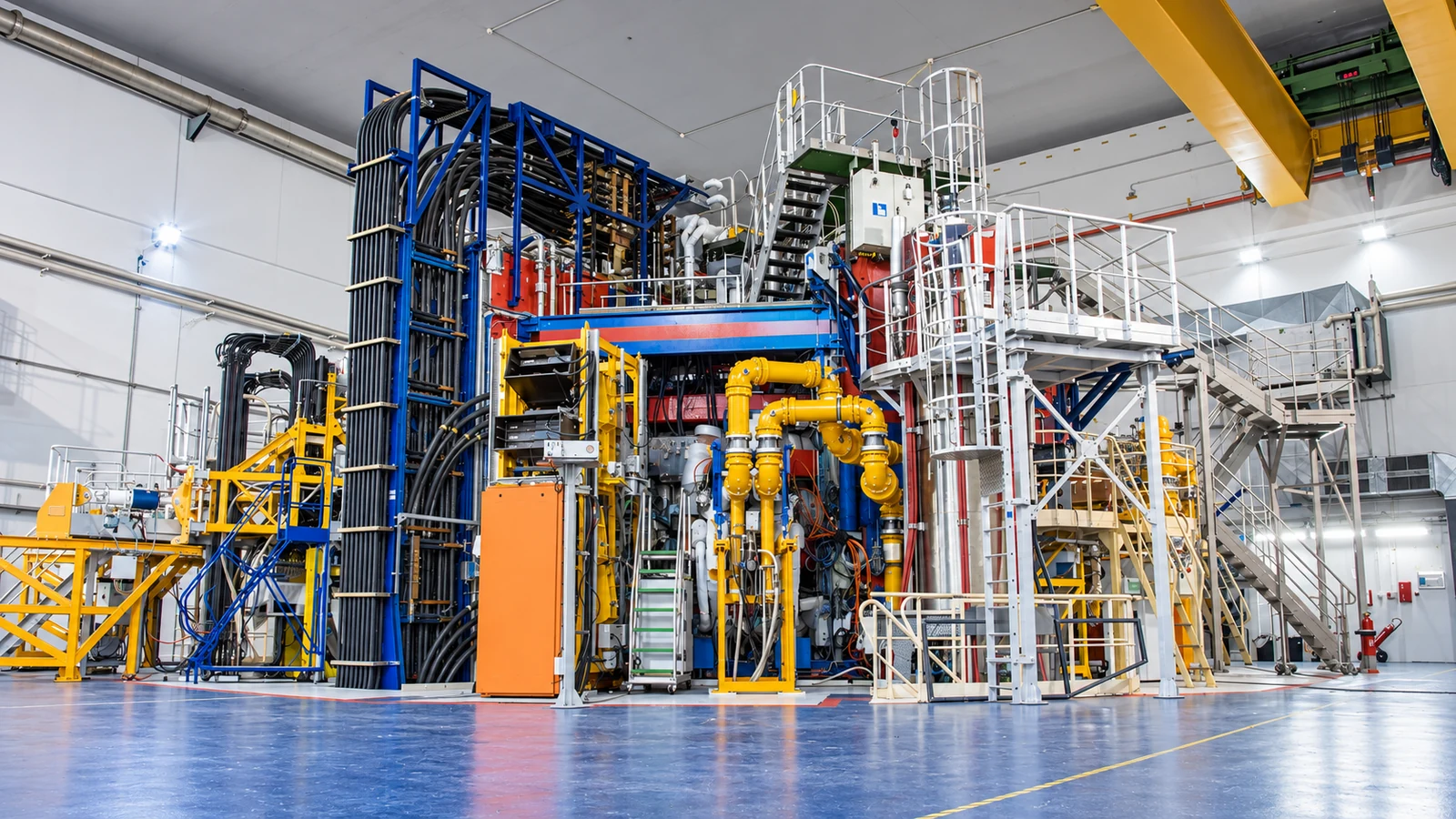
The WEST duration milestone is best understood as a test of sustained plasma operation and actively cooled components, not as a demonstration of a generating station.
Higher numerical aperture improves optical resolution while changing focus, resist and measurement requirements. The decision is about good dies per complete manufacturing flow.
A long discharge is a demanding integrated control experiment. Understanding its value requires separating pulse duration from confinement, fusion gain and electricity production.
Nanosheet transistors and backside power change different constraints. A useful comparison starts with voltage, routing, libraries and the workload, not a nominal nanometre label.