More than one scientific approach
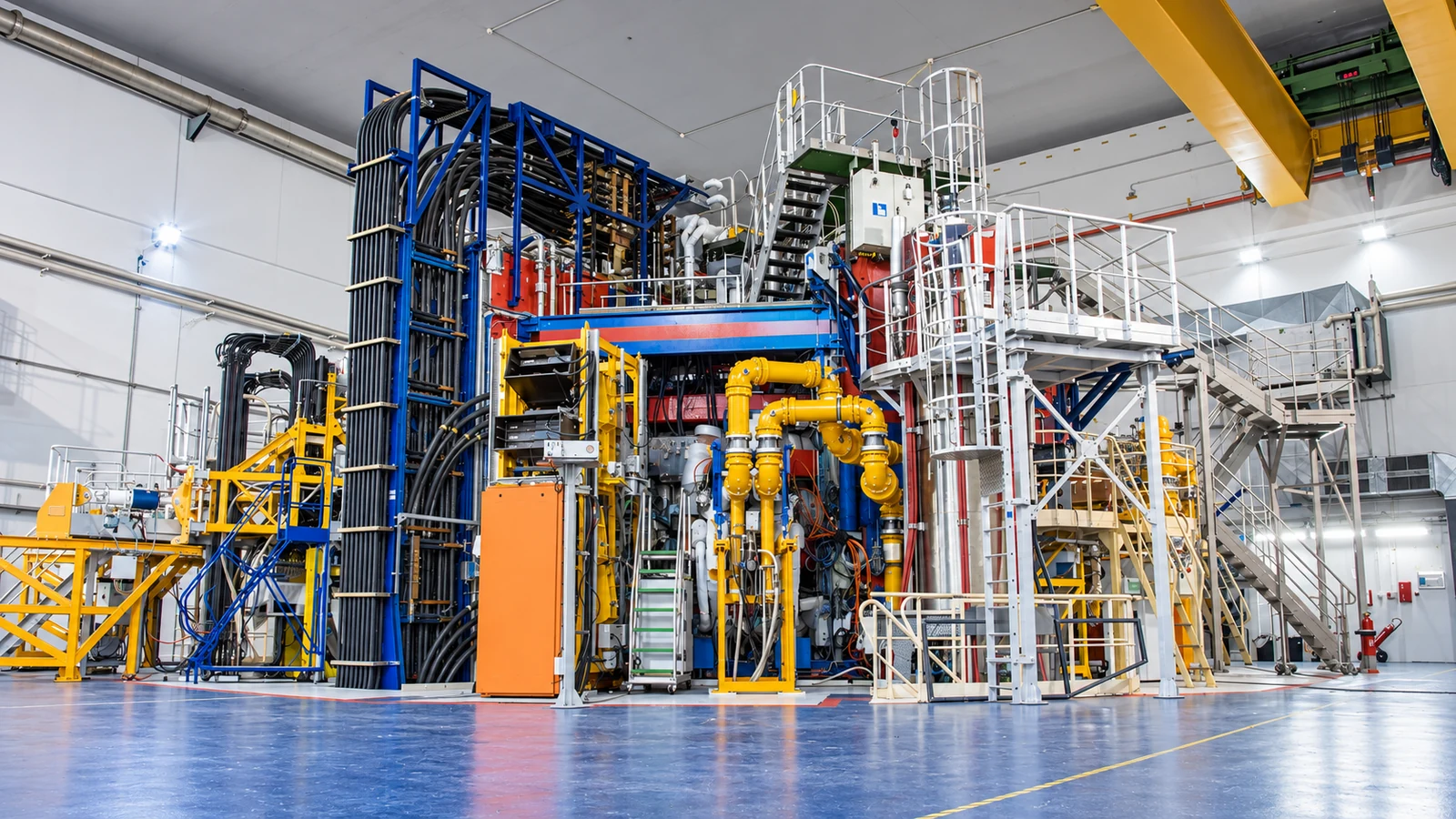
Fusion joins light atomic nuclei and releases energy. Research follows several approaches to create and control the conditions required. Magnetic confinement and inertial confinement are two prominent families; a tokamak is one type of magnetic-confinement device. These are not interchangeable engineering systems.
Measurement connects physics to control
A complex research device needs reliable information about its behaviour. Sensing, data acquisition and control systems connect observations to decisions. The quality of that information matters alongside the underlying physical process: timing, repeatability and the interpretation of signals are system-level concerns.
Materials are part of the challenge
Components need to be considered in relation to their environment and intended lifetime. The engineering discussion extends to structural materials, maintenance access and how a system can be inspected or serviced. A laboratory result and a complete energy system are different levels of evidence.
Computing enables comparison
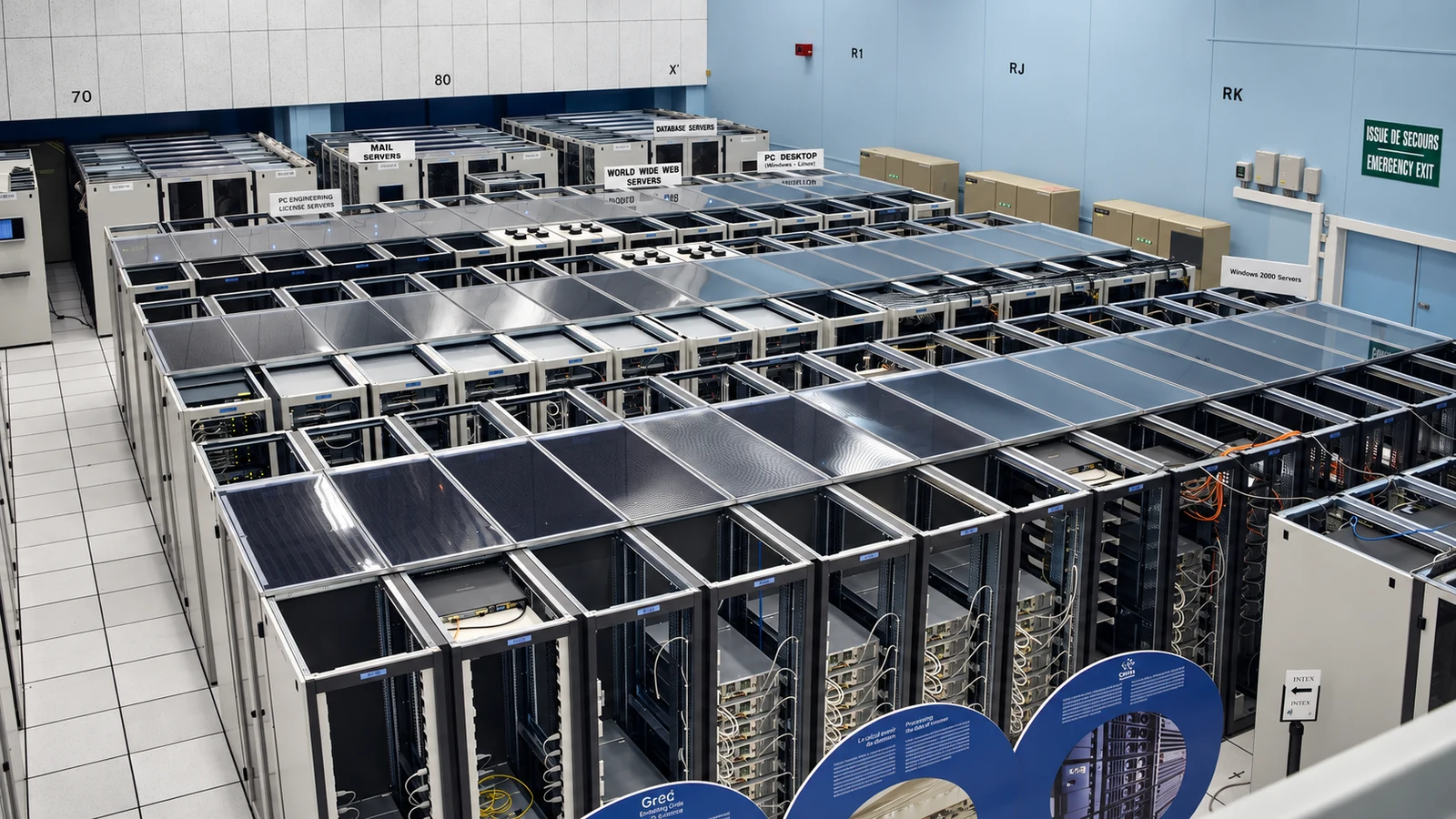
Simulation and analysis help researchers investigate complex behaviour and compare design choices. The computing requirements involve data storage, processing and reproducibility as well as raw calculation speed. This is one point of connection between fusion research and the wider electronics ecosystem.
Our research perspective
COTT’s long-term research interests connect enabling electronic and computing technologies with the engineering needs of fusion research. The practical starting point is a defined technical question, the right collaborators and a reproducible method. This brings a system-level electronics perspective to a demanding scientific field.
Primary sources & method
[1] IAEA: fusion technology approaches[2] IAEA: fusion development key elementsSources checked 2026-10-11. COTT Electronics editorial analysis of published evidence. Reported experimental results are attributed to their original teams; illustrative calculations and our assessments are identified in the text.
This is a technical editorial review, not an externally peer-reviewed paper or a report of original COTT laboratory results.