
Start with the application
An application needs somewhere to keep the data it is actively using. Before selecting a module, establish the working-set size, expected concurrency and the limits of the target platform. A system running many independent services has different needs from a device executing one predictable task.
Capacity is not the same as speed
Capacity describes how much data can be held. Bandwidth concerns how much data can move in a period of time; latency concerns the delay before it is available. These are different questions. A larger module does not, by itself, resolve every performance bottleneck.
Compatibility is a platform question
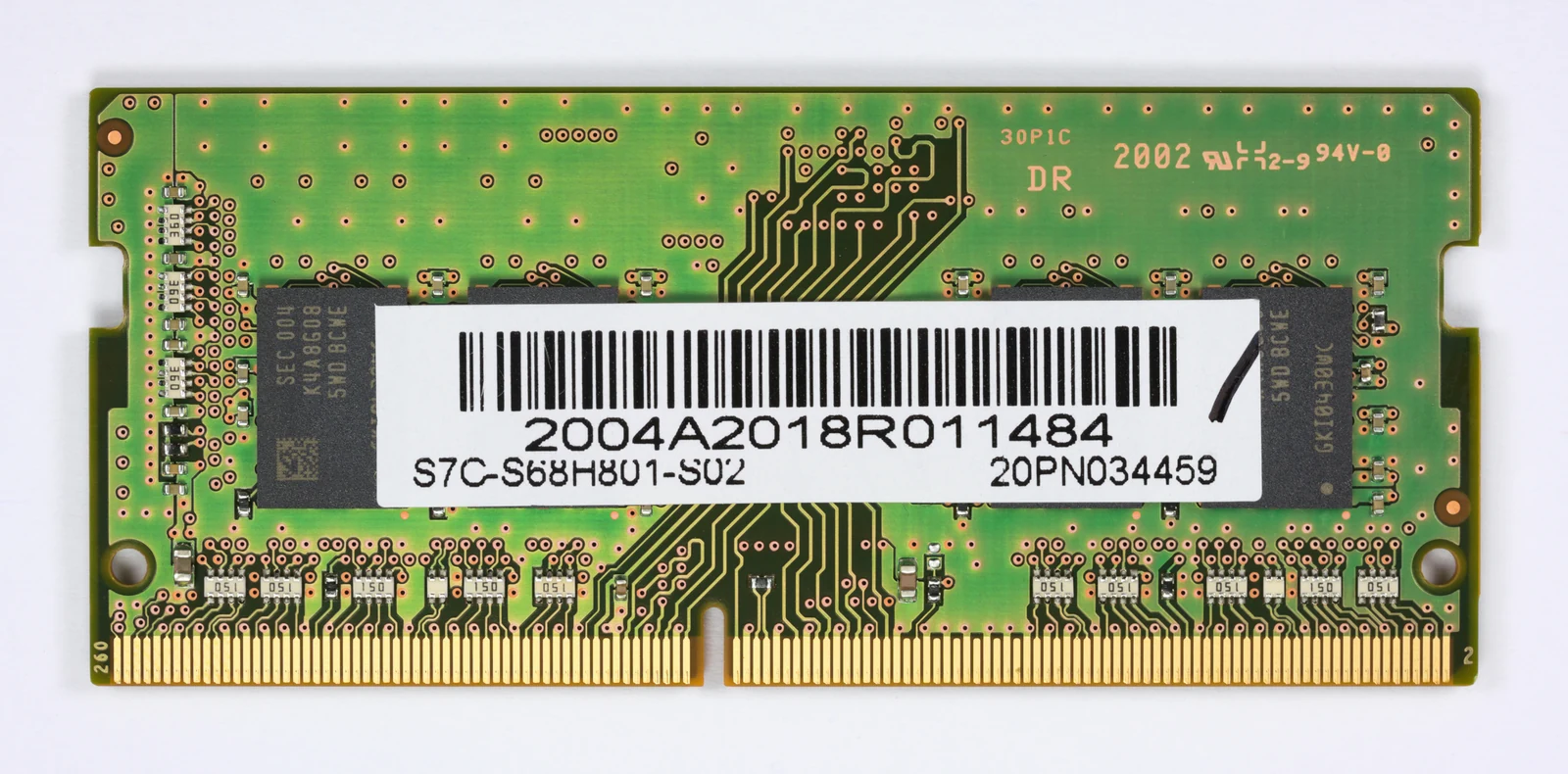
Module form factor, memory generation and the board architecture need to be considered together. Server and client module families serve different applications. The processor and motherboard specifications, supported configurations and the module documentation should be reviewed before a purchasing decision.
Storage belongs in the same conversation
Working memory and persistent storage have different roles. The useful specification includes the size of the active working set, how frequently data is read and written, and how the application behaves when demand increases. Treating RAM, SSDs and the software as separate purchases can hide the real constraint.
A practical project brief
Begin with the application, the target platform and measurable requirements. Document capacity, interface constraints and the expected usage pattern. Compare candidate configurations against that brief rather than a single headline specification. This makes validation more meaningful and leaves a clearer record for future upgrades.
Primary sources & method
[1] Micron: DRAM module families[2] Intel: server processor and platform considerationsSources checked 2026-10-11. COTT Electronics editorial analysis of published evidence. Reported experimental results are attributed to their original teams; illustrative calculations and our assessments are identified in the text.
This is a technical editorial review, not an externally peer-reviewed paper or a report of original COTT laboratory results.